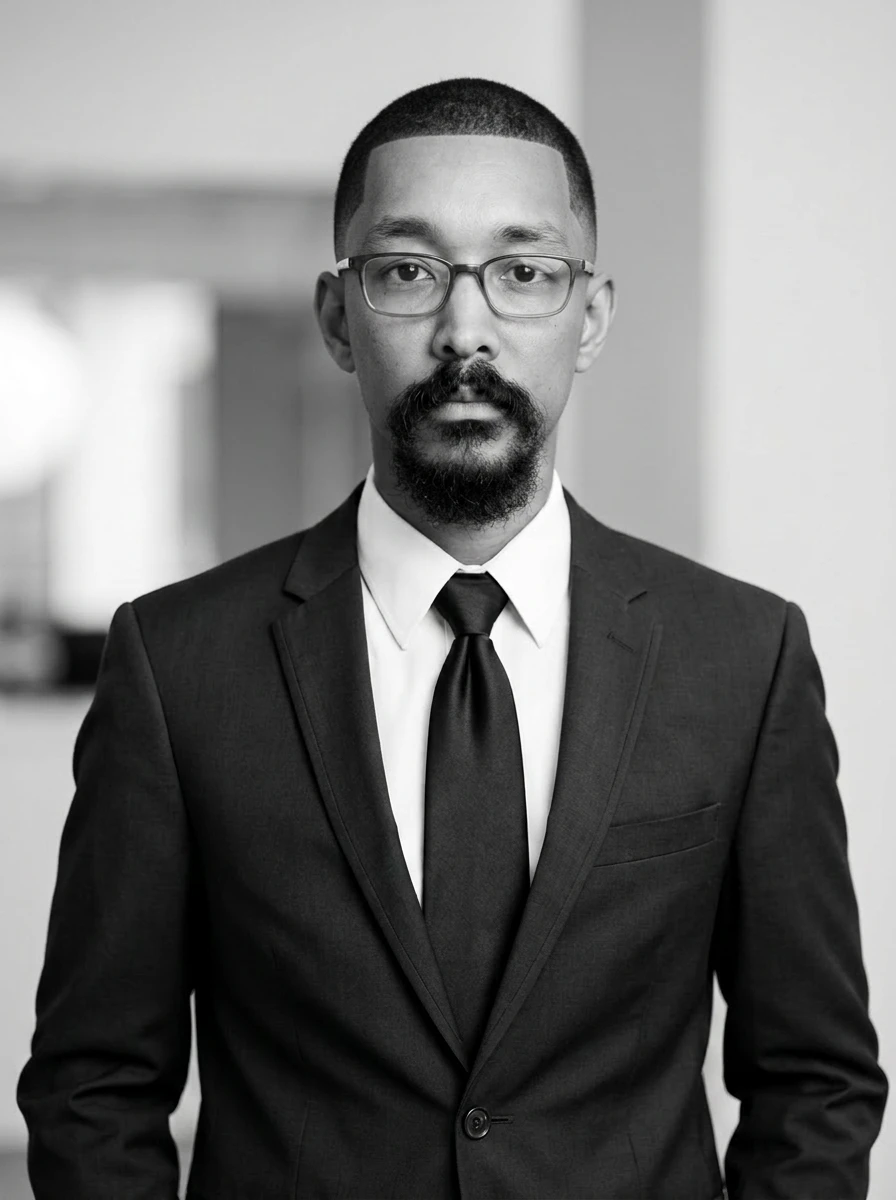
I've spent over 15 years helping organizations understand and manage cybersecurity risk. In that time, I've watched the threat landscape evolve through many cycles: the rise of ransomware, the explosion of cloud adoption, the shift to remote work, the acceleration of regulatory pressure.
None of those shifts changed the fundamental rules of the game the way AI is changing them right now.
This isn't a prediction about where AI is heading. This is what I'm seeing on the ground today: in board conversations, in security program assessments, and in the gap between where organizations think they are and where they actually stand.
The Threat Surface Just Changed Shape
For most of my career, the attacker's advantage was time and patience. Sophisticated threat actors would spend weeks or months conducting reconnaissance, probing environments, and waiting for the right moment. That window gave defenders time to detect, respond, and contain.
AI is collapsing that window.
Attackers are using AI to automate reconnaissance at a scale no human team could match. They're generating phishing content that's indistinguishable from legitimate communication: personalized, contextually accurate, and produced in seconds. They're identifying exploitable vulnerabilities faster than most organizations can patch them. And they're adapting their techniques in near real-time based on defensive responses.
The time between vulnerability discovery and active exploitation, already shrinking for years, is now measured in hours, not weeks.
What used to be a speed and sophistication advantage reserved for nation-state actors is now accessible to a much broader range of threat actors. AI democratized offensive capability. That's the uncomfortable reality every security leader needs to internalize.
The Defensive Opportunity Is Real, But Conditional
AI is also one of the most powerful defensive tools the security industry has ever had access to.
AI-driven threat detection can process telemetry at a scale no human SOC analyst can match. It can identify anomalous behavior patterns across massive datasets, correlate signals across disparate systems, and surface threats that would have been invisible to traditional rule-based detection.
The organizations using AI well on the defensive side are getting genuine capability uplift. Faster detection. Better signal-to-noise ratio. Earlier warning on emerging threats.
But that capability uplift is conditional on having the foundational program to operationalize it. AI doesn't fix a broken security program. It accelerates whatever program it's plugged into. If the underlying processes, governance, and human expertise aren't there, AI-powered tools produce faster noise, not faster decisions.
I've seen organizations invest in AI-driven security platforms and get dramatically different results based almost entirely on the maturity of the program underneath. The tool was the same. The outcome wasn't.
What This Means for the CISO
The CISO role was already one of the most complex leadership positions in any organization. AI has made it more complex, and more strategic, simultaneously.
From reactive to predictive: The CISO of the AI era can't be primarily focused on responding to incidents. The speed of AI-enabled attacks demands a posture built around anticipating and disrupting threats before they materialize. Threat intelligence has to be operationalized, not just collected.
From technical authority to risk translator: The most important skill a CISO needs right now isn't understanding the technology. It's translating what the technology means for business risk in language that drives board-level decisions. AI has accelerated the need for security leaders who can speak both languages fluently.
From program builder to program governor: As AI automates more of the operational security layer, the CISO's value shifts toward governance: defining accountability, validating AI behavior, and ensuring that autonomous systems are operating within the risk boundaries the organization has defined.
The CISOs who thrive in the AI era won't be the ones with the deepest technical knowledge of the tools. They'll be the ones who can build the governance frameworks, board relationships, and organizational accountability structures that make those tools operate safely at scale.
What This Means for the Organization
Risk ownership has to move up. When AI systems are making security decisions autonomously, the accountability for those decisions can't live only in the security team. Boards and executive leadership need to understand what autonomous security systems are doing, what they're authorized to do, and what happens when they get it wrong.
Investment logic has to change. The traditional security investment model (spend on prevention, accept that detection and response is secondary) doesn't survive in an AI-enabled threat environment. Organizations need to fund the full cycle: detection speed, containment capability, and recovery capacity. The metric that matters now isn't whether the perimeter held. It's how fast you can operate through an attack and what it costs you when you do.
Resilience has to be demonstrated, not assumed. Most organizations believe they're resilient because they haven't been seriously tested yet. AI is going to test that assumption, and it won't give advance notice. The organizations ahead of the next wave aren't waiting for an incident to find out where they stand. They're stress testing their programs under realistic scenarios before the pressure arrives.
Where This Is Going
AI is not a temporary disruption to the cybersecurity landscape. It's a permanent reset of the risk dynamic.
The organizations that treat it as a technology problem to be solved will always be behind. The ones that treat it as a strategic risk to be governed, with the investment, leadership accountability, and program maturity to back that up, will be in a fundamentally different position.
The frameworks for governing AI in security are still being written. The standards for what good looks like are still being defined. What I know from 15 years of doing this work is that the organizations that come out ahead in every cycle of change are never the ones who moved fastest. They're the ones who moved with the clearest understanding of what the risk actually was.
That clarity has never been more valuable than it is right now.